*For additional information regarding the criterion for inclusion or membership for lawyer associations, awards, & certifications click image for link.

Eagle Springs Lake in Waukesha County is not a place you stumble upon. It sits tucked away, a Canada geese gliding across the calm morning water at the family lake home of the Powers family on Eagle Springs Lake, Wisconsin, during Bill Powers’ day of respite spring-fed lake that has quietly carried on its rhythms for generations.

For my family, the Powers name has been tied to this water for more than 100 years. That is not a casual stretch of time.

It means cottages built and rebuilt, fishing poles passed down, birthdays celebrated, and the long cycle of summers and winters shaping what the lake means to us.
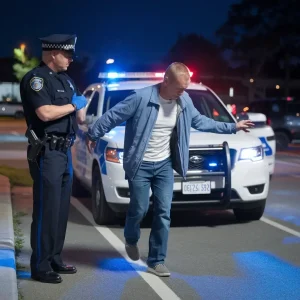
In North Carolina, some people refer to the Alco Sensor FST as the “breathalyzer” or “PBT” (portable breath test). It is is a handheld breath alcohol screening device used by law North Carolina police officer conducts roadside sobriety test before breathalyzer PBT in DWI investigation enforcement on scene to confirm the consumption of alcohol.  If you’ve been charged with driving while impaired, it’s a legitimate question to ask: Is the breathalyzer on the side of the road reliable?
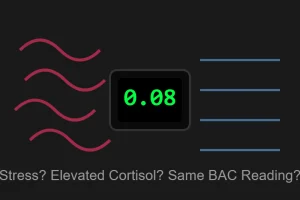
Both the Alco Sensor FST and the EC/IR II (products of the Intoximeters corporation) detect the presence of ethyl alcohol (ethanol) in breath using an electrochemical fuel cell. Under N.C.G.S. 20-16.3, the Alco Sensor FST is approved for roadside screening. A positive or negative indication for alcohol may be considered when determining whether there is probable cause to arrest.

The numerical result of the AlcoSensor FST is generally not admissible to prove a violation of N.C.G.S. 20-138.1. A numeric portable breath test value may appear in limited administrative proceedings, but it is generally not used to establish the elements of the prima facie elements of the criminal offense of driving while impaired in North Carolina.

Cortisol, often referred to as the primary stress hormone, is produced by your adrenal glands in response to stressful situations, including anxiety-provoking encounters CORTISOL-STRESS-AND-BAC-BREATH-TESTS-IN-NC such as traffic stops, arrests, and DWI charges.
Cortisol plays an important role in regulating energy by promoting gluconeogenesis, the production of glucose from non-carbohydrate sources, and mobilizing glycogen stores.

During acute stress, elevated cortisol levels help ensure that your body has enough energy to manage the perceived threat.

You may not expect prescription medication to expose you to DUI charges. Yet in North Carolina, impairment rather than the legality of the substance or intent to break the law triggers criminal charges. If a prescribed medication impairs your ability to drive, you can be prosecuted under state law. That surprises some folks, who mistakenly believe following “doctor’s orders” and driving is OK.

How North Carolina Defines Prescription Medication DUI

Under N.C. Gen. Stat. § 20-138.1, someone commits the offense of impaired driving if they operate a vehicle while with a blood alcohol concentration of 0.08 or more or under the influence of an impairing substance, even if the substance is prescribed. The statute essentially bars the defense that a drug was legally prescribed if taking the medication adversely affects your mental or physical faculties to such extent there is a noticeable or appreciable impairment.

Can Ketogenic Fasting Affect Your DWI Charges in North Carolina?

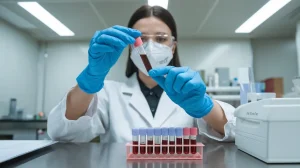
If you’re following ketogenic fasting, characterized by prolonged calorie and carbohydrate restriction, you may be unknowingly altering your body’s response to alcohol and potentially impacting DUI test results and associated criminal allegations of “drunk Medical lab technician analyzing DWI blood alcohol sample during ketogenic fasting investigation for impaired driving defense in North Carolina driving.”

While ketogenic fasting triggers autophagy, a natural cellular cleanup, it also indirectly influences glucose and cortisol levels, creating complex physiological interactions potentially relevant to impaired driving charges.

DRE testimony has become a fixture in North Carolina’s most serious impaired driving cases, including felony death by vehicle and Police officer in courtroom testifying about drug recognition expert (DRE) testimony in North Carolina impaired driving case second-degree murder charges.

The Court of Appeals’ July 2025 opinion in North Carolina v. Moore provides essential guidance for lawyers, judges, and anyone facing charges based on drug impairment evidence. Understanding how DRE testimony is used, challenged, and scrutinized at trial can mean the difference between conviction and acquittal, and may shape plea negotiations and appellate strategy.

When legal charges involve both scientific analysis and complex courtroom questions, DRE testimony can have a significant impact on the outcome. At Powers Law Firm, clients facing felony death by vehicle, felony serious injury by vehicle, misdemeanor death by vehicle, and impaired driving charges trust our experience with serious criminal charges in Mecklenburg, Iredell, Union, Gaston, Lincoln, Rowan, and Stanly Counties. We review select cases across North Carolina. If your case hinges on technical or scientific evidence involving DRE testimony or allegations of drug impairment, please can TEXT or call 704-342-4357 to schedule a confidential consultation.

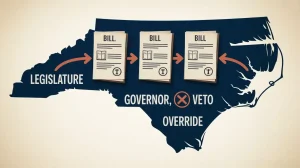
North Carolina’s concealed carry law may be on the verge of a historic change. Presently, you must still have a valid permit to carry aNorth Carolina concealed carry law infographic showing the legislative process for the 2025 permitless concealed carry bill, including the role of the legislature, governor’s veto, and override on a map of North Carolina concealed handgun. On July 29, 2025, the North Carolina Senate voted to override Governor Stein’s veto of Senate Bill 50, known as the “Freedom to Carry NC” act. In order for the law to go into effect, the NC House must also vote to override the veto by a three-fifths majority.
Until both chambers of the NC General Assembly vote to override the Governor’s veto, the existing concealed carry permit requirement remains in full force. As the law now stands, anyone who carries a concealed handgun in North Carolina without a valid permit or legal authority, is still subject to criminal prosecution.

If you are facing criminal charges, are under investigation in the Charlotte metro region, including Mecklenburg and Union County, and want more information about carrying a concealed weapon charges, contact Powers Law Firm for experienced, confidential guidance. TEXT or call now: 704-342-4357

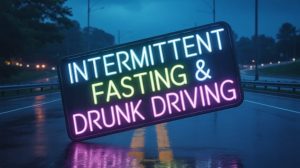
Intermittent fasting has gained popularity for a range of personal and medical reasons, from weight management and metabolic INTERMITTENT-FASTING-AND-DRUNK-DRIVING-BAC-NORTH-CAROLINA health to religious observance and athletic discipline. While it may offer certain physiological benefits, fasting also triggers changes in the body’s metabolic pathways that may complicate the interpretation of forensic alcohol testing in DWI cases.

This can become relevant in North Carolina, where the outcome of driving while impaired charges hinge on the reliability of breath or blood alcohol test results.

Defense attorneys, prosecutors, judges, and forensic experts are occasionally called to consider whether intermittent fasting affects the body’s internal chemistry and the resulting reported BAC.

One of the most common questions criminal defense lawyers hear is, “Why am I still being charged if the alleged victim wants to drop CASE-DISMISSED-WHO-DECIDES-IN-NORTH-CAROLINA the charges?”

It’s a fair question. If the person who called the police doesn’t want to go forward, why would the court system care? In North Carolina criminal court, the decision to prosecute does not belong to the victim.

Whether you’ve been charged with assault on a female, communicating threats, damage to property, affray, or a violation of a Domestic Violence Protective Order (DVPO), the State, not the complaining witness, decides whether the case moves forward or to drop charges.