 Carolina Criminal Defense & DUI Lawyer Updates
1. A pretrial limited driving privilege is a temporary court order, not a license restoration.
A pretrial limited driving privilege is a judicial order that authorizes restricted driving during a period when a driver’s license has been revoked in connection with an implied-consent impaired driving case. It does not restore a license, erase a revocation, or signal how the criminal charge will be handled. The underlying revocation remains in place, and the privilege operates as a narrow exception that permits specified driving activity under defined, limited conditions.
2. Pretrial privileges exist within the civil revocation framework, not the criminal case itself.
Courts evaluate pretrial limited driving privileges through the lens of civil license revocation law, not as part of sentencing or disposition of the underlying impaired driving charge. The statutory authority for limited privileges in North Carolina is tied to pretrial revocations arising from alleged implied-consent offenses, rather than to post-conviction consequences. This distinction matters because eligibility rules, waiting periods, and conditions differ from those that apply after a conviction.
 This is most commonly seen in serious vehicular prosecutions where impaired driving serves as a predicate offense, including collision investigations involving injury or death, where scene management, medical transport, search warrant procedures, and hospital blood draws may delay specimen collection for three or more hours.
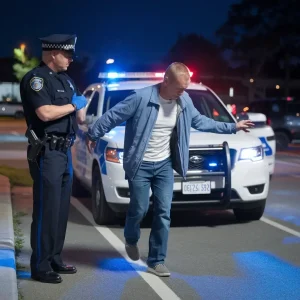 enforcement on scene to confirm the consumption of alcohol. If you’ve been charged with driving while impaired, it’s a legitimate question to ask: