Carolina Criminal Defense & DUI Lawyer Updates







Can Ketogenic Fasting Affect Your DWI Charges in North Carolina?
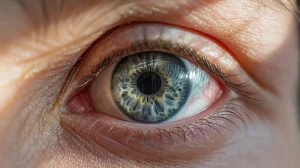
If you’re following ketogenic fasting, characterized by prolonged calorie and carbohydrate restriction, you may be unknowingly altering your body’s response to alcohol and potentially impacting DUI test results and associated criminal allegations of “drunk 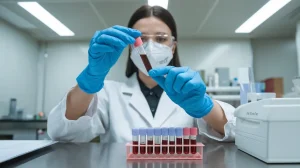 driving.”
While ketogenic fasting triggers autophagy, a natural cellular cleanup, it also indirectly influences glucose and cortisol levels, creating complex physiological interactions potentially relevant to impaired driving charges.
 second-degree murder charges.
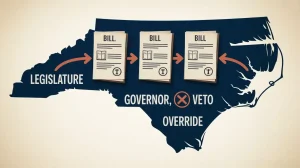 concealed handgun. On July 29, 2025, the North Carolina Senate voted to override Governor Stein’s veto of Senate Bill 50, known as the “Freedom to Carry NC” act. In order for the law to go into effect, the NC House must also vote to override the veto by a three-fifths majority.
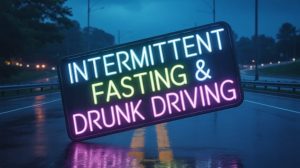 health to religious observance and athletic discipline. While it may offer certain physiological benefits, fasting also triggers changes in the body’s metabolic pathways that may complicate the interpretation of forensic alcohol testing in DWI cases.
 the charges?”
 you will need a continuance. It might be continued again, and again after that. Whether you’re charged with DWI in Mecklenburg County or facing a felony in Union County, continuances are part of the system.
 constitution, and the US Constitution, not necessarily fair results or what some facing criminal charges might believe is just or true “justice.”