Blood testing is often viewed as the most dependable way to measure alcohol concentration in a North Carolina DWI case. The science behind BAC tests is powerful, but it is also technical, layered with protocols, human decision points, and laboratory processes that must be followed with precision. When a “drunk driving” case shifts from the roadside to the laboratory, the entire conversation changes. You move from dexterity exercises to molecular chemistry, and from visible performance to physics, gas chromatography and mass spectroscopy, both topics that an average juror would never see unless brought to life at trial by defense counsel.
DWI defense lawyer Bill Powers has spent more than thirty years watching how blood testing evidence develops in courtrooms across Mecklenburg County and throughout North Carolina. During that time, he has cross examined toxicologists, reviewed extensive laboratory documentation, and taught officers and lawyers about breath and blood science, standardized field sobriety tests, and trial strategies and protocols. His experience includes the practical knowledge of how jurors interpret toxicology evidence and how those interpretations can shift once they hear how the underlying science actually works.
If you are dealing with a DWI charge that involves blood testing, or if you are a lawyer looking to sharpen your trial approach to forensic toxicology, please contact the DWI defense lawyers at Powers Law Firm in Charlotte. Call or TEXT 704-342-4357 to discuss how careful preparation and scientific clarity can shape the outcome of a case.
 Carolina Criminal Defense & DUI Lawyer Updates












 in years.
 certain number, a conviction is inevitable.
 enforcement transitions from general investigation to custodial interrogation, limiting what officers may ask before warnings (the advisement of legal rights) are given and what statements prosecutors may later use at trial.
 This is most commonly seen in serious vehicular prosecutions where impaired driving serves as a predicate offense, including collision investigations involving injury or death, where scene management, medical transport, search warrant procedures, and hospital blood draws may delay specimen collection for three or more hours.
 (sometimes called DUID – driving under the influence of drugs) or “drugged driving” by the general public, the forensic analysis and legal issues tend to be significantly more complex.
  a crime. If you or a loved one face charges related to Criminal Attempt in NC, understanding this distinction can be fundamental to formulating an effective defense strategy. The difference is not merely academic. It is the line that separates a “thought crime” from a felony conviction. This distinction rests primarily on two fundamental concepts. those being the required intent and the overt act.
 behind BAC tests is powerful, but it is also technical, layered with protocols, human decision points, and laboratory processes that must be followed with precision. When a “drunk driving” case shifts from the roadside to the laboratory, the entire conversation changes. You move from dexterity exercises to molecular chemistry, and from visible performance to physics, gas chromatography and mass spectroscopy, both topics that an average juror would never see unless brought to life at trial by defense counsel.
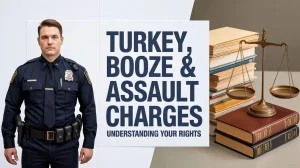 table. As a Charlotte criminal defense attorney who has practiced in Mecklenburg County for more than 30 years, I can tell you this without hesitation the Wednesday before Thanksgiving through the Sunday after is one of the busiest stretches of the year for assault arrests. Add alcohol, old grievances, political arguments, and the pressure of hosting (or being hosted by) people you strategically avoid the other 51 weeks of the year, and you have a recipe for criminal charges.