Carolina Criminal Defense & DUI Lawyer Updates
TL;DR Quick Take: The legacy of North Carolina v. Rogers reaches beyond suppression hearings. It redefines how courts balance 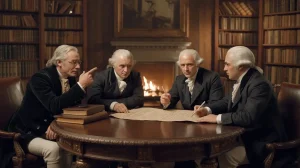 government trust against the structural necessity of constitutional discipline. Whether this evolution strengthens justice or weakens liberty depends on how future courts interpret the limits of “reasonableness” in applying the Good Faith Exception to the Exclusionary Rule.
I. Constitutional Remedies and the Philosophy of Enforcement
Constitutional rights mean little without remedies that make them enforceable. The framers of the US Constitution understood this when they created mechanisms to restrain power through process.
 a search warrant?
 law in decades. The opinion not only interprets N.C.G.S. § 15A-974 but also redefines how North Carolina courts understand the relationship between the Fourth Amendment and Article I, Section 20 of the North Carolina State Constitution.
 had fresh memories of British abuses of power before and during the Revolutionary era. They worried that without explicit protections, such as safeguards against arbitrary searches and seizures or other infringements, a new federal government might oppress the people just as past tyrannies had. This concern for fundamental liberties set the stage for North Carolina’s insistence on a Bill of Rights.
 and medical conditions that could affect impairment assessments. This article examines the different types of experts used in North Carolina DWI cases, how courts determine whether their testimony is admissible under Rule 702, and what legal considerations apply when presenting expert evidence in court.
 screening at the roadside and an evidentiary test under the state’s implied consent laws. These procedures are guided by statutes like G.S. 20-16.2, which defines the expectations placed on a driver once probable cause is established. Although both tests relate to detecting alcohol, they serve different functions and carry different legal consequences.