 Carolina Criminal Defense & DUI Lawyer Updates













North Carolina’s DWI enforcement relies heavily on evidentiary breath tests to determine whether a driver’s blood alcohol concentration (BAC) exceeds the legal limit. While officers may perform  preliminary roadside screening with a handheld device, the real focal point often comes from the Intoximeter EC/IR II machine. This desktop breath-testing device measures deep-lung air and generates an official reading that prosecutors regularly use as evidence at trial.
This article explains the significance of evidentiary breath tests, how the Intoximeter EC/IR II functions, and why an attorney might challenge its results in certain circumstances. If you have questions about your DWI case or want help reviewing a breath test procedure, call or text the Powers Law Firm at 704-342-4357, or email Bill Powers at Bill@CarolinaAttorneys.com.
 (SFSTs) to gauge whether enough evidence exists for an arrest or further chemical testing. Roadside dexterity tests—commonly the Horizontal Gaze Nystagmus (HGN) test, the Walk-and-Turn test, and the One-Leg Stand test—remain a subject of debate. Questions arise about whether these tests are truly “standardized,” whether they reliably they measure impairment or are overly subjective, and how courts treat SFSTs as evidence.
 screening at the roadside and an evidentiary test under the state’s implied consent laws. These procedures are guided by statutes like G.S. 20-16.2, which defines the expectations placed on a driver once probable cause is established. Although both tests relate to detecting alcohol, they serve different functions and carry different legal consequences.
 license violations and to enforce the “drunk driving” (impaired driving) laws. The process must follow certain constitutional and statutory guidelines to avoid arbitrary or discriminatory stops.
 circumstances, raise doubt about whether a reported BAC reflects the true breath alcohol content.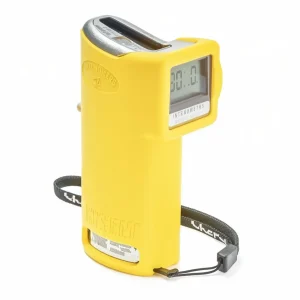
 DUI charges or other criminal matters where BAC plays a role, understanding hemolysis, BAC testing, and its implications can help in reviewing the evidence.
 inaccurate or misleading BAC when the decedent—who, in criminal cases, may be considered a victim—had alcohol in their system.
 the offense may be charged as first-degree murder under what is commonly called the “felony murder rule.” Under this doctrine, a homicide arising from the perpetration or attempted perpetration of such a felony is treated as first-degree murder, even in the absence of premeditation or deliberation.
 communications can strengthen or undercut a case when introduced at trial. Yet questions of authenticity—Is the social media content and the source of those materials identifiable?—and relevance—Does it matter to the issues being tried?—are becoming more and more common during trials.