North Carolina’s concealed carry law may be on the verge of a historic change. Presently, you must still have a valid permit to carry a concealed handgun. On July 29, 2025, the North Carolina Senate voted to override Governor Stein’s veto of Senate Bill 50, known as the “Freedom to Carry NC” act. In order for the law to go into effect, the NC House must also vote to override the veto by a three-fifths majority.
Until both chambers of the NC General Assembly vote to override the Governor’s veto, the existing concealed carry permit requirement remains in full force. As the law now stands, anyone who carries a concealed handgun in North Carolina without a valid permit or legal authority, is still subject to criminal prosecution.
If you are facing criminal charges, are under investigation in the Charlotte metro region, including Mecklenburg and Union County, and want more information about carrying a concealed weapon charges, contact Powers Law Firm for experienced, confidential guidance. TEXT or call now: 704-342-4357
 Carolina Criminal Defense & DUI Lawyer Updates
 Carolina?
 driving.”
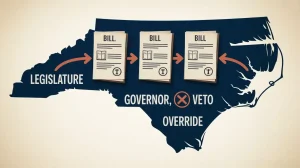 concealed handgun. On July 29, 2025, the North Carolina Senate voted to override Governor Stein’s veto of Senate Bill 50, known as the “Freedom to Carry NC” act. In order for the law to go into effect, the NC House must also vote to override the veto by a three-fifths majority.
 the charges?”
 constitution, and the US Constitution, not necessarily fair results or what some facing criminal charges might believe is just or true “justice.”
 is a tradition built around freedom, but every year it brings a familiar pattern to courtrooms across the state.