 Carolina Criminal Defense & DUI Lawyer Updates
Accessing video evidence, body-cam, and dash-cam video in North Carolina potentially just became a lot harder to obtain. 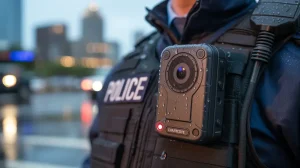
TL;DR Quick Take: North Carolina v. Chemuti limits how defendants can access police body-worn and dash-camera recordings. The Supreme Court held that Rule 45 subpoenas cannot compel production of law-enforcement video. Instead, defendants must file a petition under N.C.G.S. § 132-1.4A in superior court, which is the exclusive procedure for release.
The Chemuti ruling is significant because, unlike many states, North Carolina provides no traditional right to discovery in cases originating in district court.
 driving.”
 concealed handgun. On July 29, 2025, the North Carolina Senate voted to override Governor Stein’s veto of Senate Bill 50, known as the “Freedom to Carry NC” act. In order for the law to go into effect, the NC House must also vote to override the veto by a three-fifths majority.
 defendant’s own serious misconduct effectively forfeits the right to an attorney. Unlike a waiver, which is a voluntary relinquishment of a known right, forfeiture does not require an informed choice by the defendant – it is a consequence of behavior that is incompatible with the continued services of counsel.
 simple and urgent, “Will a lawyer go see them in jail?”