 Carolina Criminal Defense & DUI Lawyer Updates









Refusing a breath test in North Carolina triggers a separate, civil administrative legal process known as a willful refusal hearing. Even while a criminal DWI charge is pending in criminal court, the 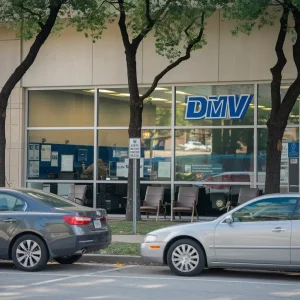 Department of Transportation – Division of Motor Vehicles (DMV) may move forward with revoking your license for failing to submit to breath and/or blood testing.
At the center of willful refusal proceeding is a hearing officer who effectively handles both the role of prosecutor—by eliciting evidence—and the role of judge—by deciding if your license will be revoked.
The stakes can be significant because a loss at the DMV hearing level may lead to a revocation lasting well beyond any criminal charge, even if the underlying DWI charge is cleared by dismissal or a not guilty verdict after a trial.
 technical procedures—such as chemical breath tests, blood alcohol analyses, and field sobriety testing—that lay jurors or even judges may not fully understand. An expert witness, properly qualified and admitted, can provide insight into such complex matters both for the prosecution and the defense.
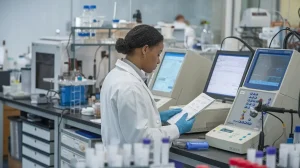 blood testing in a DWI case. Law enforcement may suspect drug involvement, or the driver may be unable (or unwilling) to provide a valid breath sample on an approved device. DUI fatalities tend to involve blood testing, as it the more accurate method to confirm the different possible sources of impairment and the respective concentrations of each.
 preliminary roadside screening with a handheld device, the real focal point often comes from the Intoximeter EC/IR II machine. This desktop breath-testing device measures deep-lung air and generates an official reading that prosecutors regularly use as evidence at trial.
 (SFSTs) to gauge whether enough evidence exists for an arrest or further chemical testing. Roadside dexterity tests—commonly the Horizontal Gaze Nystagmus (HGN) test, the Walk-and-Turn test, and the One-Leg Stand test—remain a subject of debate. Questions arise about whether these tests are truly “standardized,” whether they reliably they measure impairment or are overly subjective, and how courts treat SFSTs as evidence.
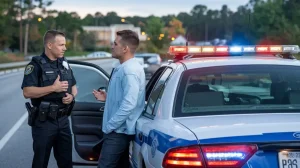
 screening at the roadside and an evidentiary test under the state’s implied consent laws. These procedures are guided by statutes like G.S. 20-16.2, which defines the expectations placed on a driver once probable cause is established. Although both tests relate to detecting alcohol, they serve different functions and carry different legal consequences.
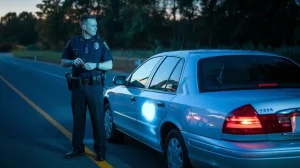 license violations and to enforce the “drunk driving” (impaired driving) laws. The process must follow certain constitutional and statutory guidelines to avoid arbitrary or discriminatory stops.
 circumstances, raise doubt about whether a reported BAC reflects the true breath alcohol content.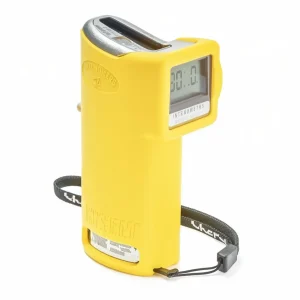
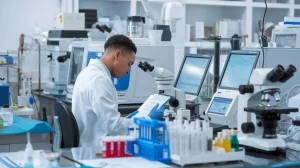 DUI charges or other criminal matters where BAC plays a role, understanding hemolysis, BAC testing, and its implications can help in reviewing the evidence.