 Carolina Criminal Defense & DUI Lawyer Updates
The Limits of Chemical Certainty: The Auto-Brewery Syndrome & DWI Charges
Auto-Brewery Syndrome (ABS) remains a bit of a theoretical curiosity. It represents a measurable biochemical anomaly during which yeast or bacteria residing in the gastrointestinal tract convert carbohydrates into ethanol within the human body. 
Though somewhat rare, it is medically documented, scientifically verifiable in some instances, and possibly legally consequential, at least relative to DUI charges in North Carolina.
 and medical conditions that could affect impairment assessments. This article examines the different types of experts used in North Carolina DWI cases, how courts determine whether their testimony is admissible under Rule 702, and what legal considerations apply when presenting expert evidence in court.
 (SFSTs) to gauge whether enough evidence exists for an arrest or further chemical testing. Roadside dexterity tests—commonly the Horizontal Gaze Nystagmus (HGN) test, the Walk-and-Turn test, and the One-Leg Stand test—remain a subject of debate. Questions arise about whether these tests are truly “standardized,” whether they reliably they measure impairment or are overly subjective, and how courts treat SFSTs as evidence.
 circumstances, raise doubt about whether a reported BAC reflects the true breath alcohol content.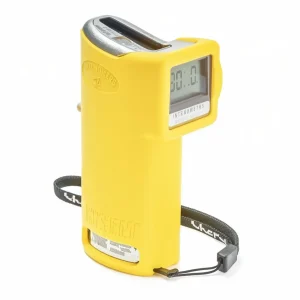
 DUI charges or other criminal matters where BAC plays a role, understanding hemolysis, BAC testing, and its implications can help in reviewing the evidence.
 inaccurate or misleading BAC when the decedent—who, in criminal cases, may be considered a victim—had alcohol in their system.