 Carolina Criminal Defense & DUI Lawyer Updates
Prosecutors and defense attorneys regularly rely on expert witnesses to explain evidence that benefits from specialized knowledge. That may involve reviewing things like breath and blood testing procedures, DUI retrograde extrapolation, accident reconstruction, 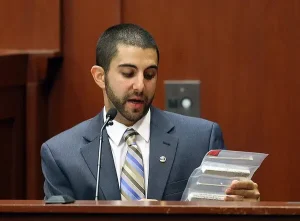 and medical conditions that could affect impairment assessments. This article examines the different types of experts used in North Carolina DWI cases, how courts determine whether their testimony is admissible under Rule 702, and what legal considerations apply when presenting expert evidence in court.
Understanding these issues can help if you’re facing a DWI charge. Expert testimony can play a significant role in North Carolina Driving While Impaired (DWI) cases, particularly when scientific, medical, or technical issues arise. Whether challenging the accuracy of a chemical test, questioning how an arrest was conducted, or providing insight into how a collision occurred, experts may help clarify complex evidence for a judge or jury.
 technical procedures—such as chemical breath tests, blood alcohol analyses, and field sobriety testing—that lay jurors or even judges may not fully understand. An expert witness, properly qualified and admitted, can provide insight into such complex matters both for the prosecution and the defense.
 (SFSTs) to gauge whether enough evidence exists for an arrest or further chemical testing. Roadside dexterity tests—commonly the Horizontal Gaze Nystagmus (HGN) test, the Walk-and-Turn test, and the One-Leg Stand test—remain a subject of debate. Questions arise about whether these tests are truly “standardized,” whether they reliably they measure impairment or are overly subjective, and how courts treat SFSTs as evidence.
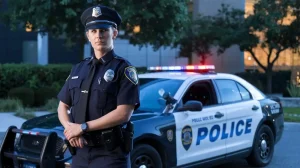 screening at the roadside and an evidentiary test under the state’s implied consent laws. These procedures are guided by statutes like G.S. 20-16.2, which defines the expectations placed on a driver once probable cause is established. Although both tests relate to detecting alcohol, they serve different functions and carry different legal consequences.
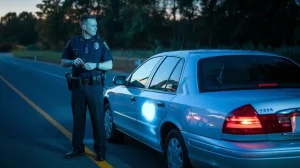 license violations and to enforce the “drunk driving” (impaired driving) laws. The process must follow certain constitutional and statutory guidelines to avoid arbitrary or discriminatory stops.
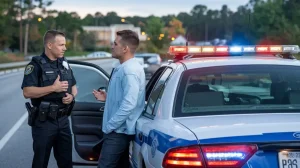 circumstances, raise doubt about whether a reported BAC reflects the true breath alcohol content.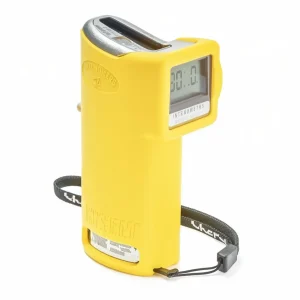
 inaccurate or misleading BAC when the decedent—who, in criminal cases, may be considered a victim—had alcohol in their system.
 Alcohol moves through this system in phases, from the first drink through the next morning. The effects of hangovers extend beyond the social hours of the night before, through sunrise, and into what many call “the morning after.” Scientists call this process veisalgia. The rest of us know it as a hangover.
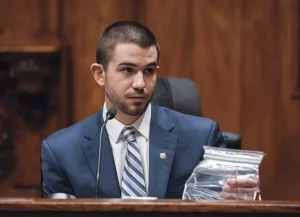 Sixth Amendment is violated when a substitute analyst provides expert witness testimony about the results of forensic testing performed by a non-testifying analyst.