 Carolina Criminal Defense & DUI Lawyer Updates
For more than three decades, I have worked in North Carolina courtrooms handling DUI cases where law, science, and technology collide. 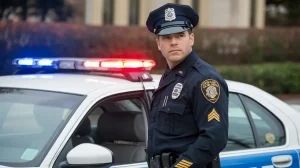 Few areas highlight that collision more than impaired driving prosecutions involving fatalities and serious injuries.
When an officer testifies about roadside tests or a LCA – Licensed Chemical Analyst explains “breathalyzer” machine results, the evidence is often presented with the weight of scientific certainty. But those of us who defend DWI charges know that level of certitude is sometimes a bit overstated.
The reality is that DUI cases are a perfect storm of pharmocokenetics, engineering, and criminal procedure.
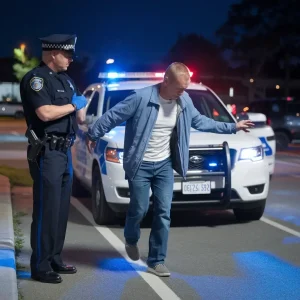 enforcement on scene to confirm the consumption of alcohol. If you’ve been charged with driving while impaired, it’s a legitimate question to ask:
 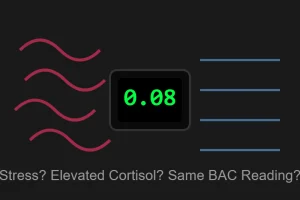 such as traffic stops, arrests, and DWI charges.
 you will need a continuance. It might be continued again, and again after that. Whether you’re charged with DWI in Mecklenburg County or facing a felony in Union County, continuances are part of the system.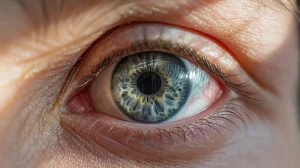
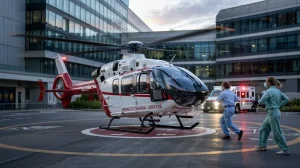 a range of charges depending on the circumstances. Two of the most serious offenses are Felony Death by Vehicle and Second-Degree Murder.
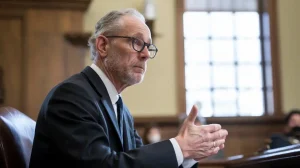 tests, and standardized field sobriety tests.
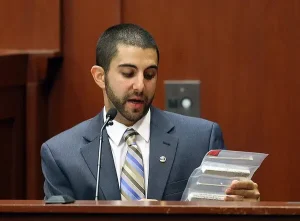 and medical conditions that could affect impairment assessments. This article examines the different types of experts used in North Carolina DWI cases, how courts determine whether their testimony is admissible under Rule 702, and what legal considerations apply when presenting expert evidence in court.
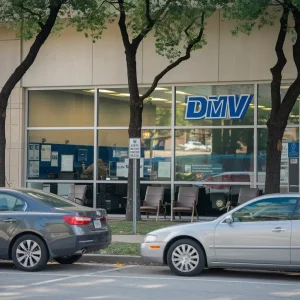 Department of Transportation – Division of Motor Vehicles (DMV) may move forward with revoking your license for failing to submit to breath and/or blood testing.