 Carolina Criminal Defense & DUI Lawyer Updates
When a law enforcement officer in North Carolina suspects impaired driving, they may conduct Standarized Field Sobriety Tests  (SFSTs) to gauge whether enough evidence exists for an arrest or further chemical testing. Roadside dexterity tests—commonly the Horizontal Gaze Nystagmus (HGN) test, the Walk-and-Turn test, and the One-Leg Stand test—remain a subject of debate. Questions arise about whether these tests are truly “standardized,” whether they reliably they measure impairment or are overly subjective, and how courts treat SFSTs as evidence.
This post explains some of the history of SFSTs, what each test entails, and why a DUI defense lawyer might challenge how an officer administered them. If you have been asked to perform SFST or want legal advice on DWI defenses, call or text the Powers Law Firm at 704-342-4357, or email Bill Powers at Bill@CarolinaAttorneys.com. An informed understanding of roadside tests may help in deciding how to respond during a traffic stop and in developing a defense strategy tailored to the specifics of your individual DUI charges.
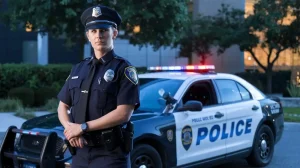 screening at the roadside and an evidentiary test under the state’s implied consent laws. These procedures are guided by statutes like G.S. 20-16.2, which defines the expectations placed on a driver once probable cause is established. Although both tests relate to detecting alcohol, they serve different functions and carry different legal consequences.
 license violations and to enforce the “drunk driving” (impaired driving) laws. The process must follow certain constitutional and statutory guidelines to avoid arbitrary or discriminatory stops.
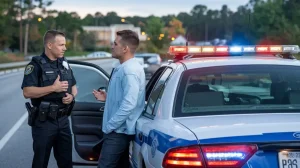 circumstances, raise doubt about whether a reported BAC reflects the true breath alcohol content.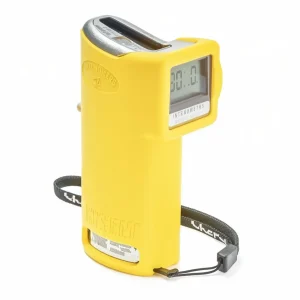
 impairment. Q
 Alcohol moves through this system in phases, from the first drink through the next morning. The effects of hangovers extend beyond the social hours of the night before, through sunrise, and into what many call “the morning after.” Scientists call this process veisalgia. The rest of us know it as a hangover.
 evaluations play an important role in the legal process and can positively impact the outcome of your case.
 Amendment.
 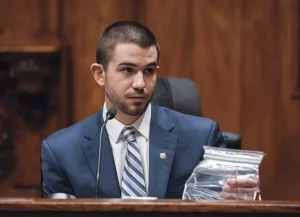 Sixth Amendment is violated when a substitute analyst provides expert witness testimony about the results of forensic testing performed by a non-testifying analyst.