 Carolina Criminal Defense & DUI Lawyer Updates
In North Carolina, some people refer to the Alco Sensor FST as the “breathalyzer” or “PBT” (portable breath test). It is is a handheld breath alcohol screening device used by law 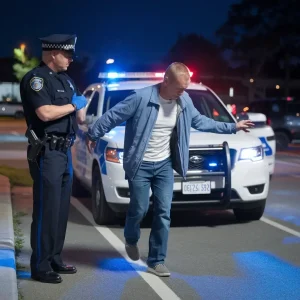 enforcement on scene to confirm the consumption of alcohol. If you’ve been charged with driving while impaired, it’s a legitimate question to ask: Is the breathalyzer on the side of the road reliable?
Both the Alco Sensor FST and the EC/IR II (products of the Intoximeters corporation) detect the presence of ethyl alcohol (ethanol) in breath using an electrochemical fuel cell. Under N.C.G.S. 20-16.3, the Alco Sensor FST is approved for roadside screening. A positive or negative indication for alcohol may be considered when determining whether there is probable cause to arrest.
The numerical result of the AlcoSensor FST is generally not admissible to prove a violation of N.C.G.S. 20-138.1. A numeric portable breath test value may appear in limited administrative proceedings, but it is generally not used to establish the elements of the prima facie elements of the criminal offense of driving while impaired in North Carolina.
 If you are under 21 and charged with driving after consuming alcohol, you are likely facing what most people call “Underage DUI” pursuant to N.C.G.S. 20-138.3. The statute uses more formal language by describing the offense as driving by a person less than 21 years old after consuming alcohol or drugs. That formal title rarely appears in everyday conversation, which is why most people searching for information use terms like underage DUI, underage DWI, or provisional DWI.