 Carolina Criminal Defense & DUI Lawyer Updates
Due process is one of the most enduring phrases in the American constitutional tradition. It appears in the Fifth Amendment, binding the federal government, and in the Fourteenth Amendment, extending the guarantee to the states.
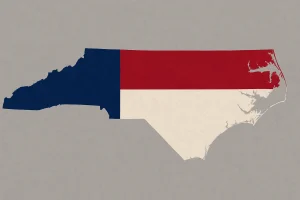
North Carolina’s Constitution also secures due process through Article I, Section 19, which provides that no person shall be deprived of life, liberty, or property except by the “law of the land.”
Far from being ornamental language, due process reflects a working system of legal discipline that reaches from Magna Carta through North Carolina’s founding conventions into the daily practice of its courts.
 Law. But what do those terms really mean and are they even relevant in today’s perpetual, and frankly exhausting, messaging infrastructure?