 Carolina Criminal Defense & DUI Lawyer Updates
This post continues the Breath, Blood, and Bull series, an in-depth look at how science, procedure, and perception collide in the 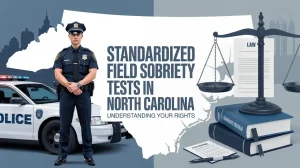 prosecution and defense of DWI cases in North Carolina. The first installment examined the limits of chemical testing. The second article turned to the machines that interpret alcohol breath samples into evidence, using the “breathalyzer.” This post focuses on the field sobriety tests or “SFSTs” that often precede BAC testing.
Standardized Field Sobriety Tests (SFSTs) are a battery of three roadside exercises: Horizontal Gaze Nystagmus (HGN), Walk-and-Turn (WAT), and One-Leg Stand (OLS), designed by NHTSA to gauge impairment.
When prosecutors rely on Standardized Field Sobriety Tests to support a DWI charge, the assumption is that these dexterity exercises offer reliable, objective proof of impairment. Yet the science tells a more complicated story.
 health to religious observance and athletic discipline. While it may offer certain physiological benefits, fasting also triggers changes in the body’s metabolic pathways that may complicate the interpretation of forensic alcohol testing in DWI cases.