Articles Tagged with Forensic Toxicology

Blood testing is often viewed as the most dependable way to measure alcohol concentration in a North Carolina DWI case. The scienceDWI blood testing illustration with a Charlotte police officer, North Carolina map, legal books, scales of justice, and paperwork emphasizing rights in a North Carolina DWI case behind BAC tests is powerful, but it is also technical, layered with protocols, human decision points, and laboratory processes that must be followed with precision. When a “drunk driving” case shifts from the roadside to the laboratory, the entire conversation changes. You move from dexterity exercises to molecular chemistry, and from visible performance to physics, gas chromatography and mass spectroscopy, both topics that an average juror would never see unless brought to life at trial by defense counsel.
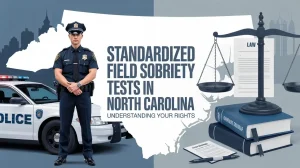
DWI defense lawyer Bill Powers has spent more than thirty years watching how blood testing evidence develops in courtrooms across Mecklenburg County and throughout North Carolina. During that time, he has cross examined toxicologists, reviewed extensive laboratory documentation, and taught officers and lawyers about breath and blood science, standardized field sobriety tests, and trial strategies and protocols. His experience includes the practical knowledge of how jurors interpret toxicology evidence and how those interpretations can shift once they hear how the underlying science actually works.

If you are dealing with a DWI charge that involves blood testing, or if you are a lawyer looking to sharpen your trial approach to forensic toxicology, please contact the DWI defense lawyers at Powers Law Firm in Charlotte. Call or TEXT 704-342-4357 to discuss how careful preparation and scientific clarity can shape the outcome of a case.


The Limits of Chemical Certainty: The Auto-Brewery Syndrome & DWI Charges 

Auto-Brewery Syndrome (ABS) remains a bit of a theoretical curiosity. It represents a measurable biochemical anomaly during which yeast or bacteria residing in the gastrointestinal tract convert carbohydrates into ethanol within the human body. North Carolina judge in a courtroom setting representing judicial evaluation of scientific evidence and credibility in DWI cases involving Auto-Brewery Syndrome

Though somewhat rare, it is medically documented, scientifically verifiable in some instances, and possibly legally consequential, at  least relative to DUI charges in North Carolina. 

Expert testimony can play a pivotal role in DUI charges in North Carolina. In part, that’s because allegations of impaired driving often involve complicated scientific, forensic evidence and EXPERT TESTIMONY IN NC technical procedures—such as chemical breath tests, blood alcohol analyses, and field sobriety testing—that lay jurors or even judges may not fully understand. An expert witness, properly qualified and admitted, can provide insight into such complex matters both for the prosecution and the defense.
This article examines the legal framework governing expert testimony in North Carolina DWI cases, the standards for admissibility, procedural requirements, and practical considerations for using expert witnesses. The discussion is intended for attorneys, legal professionals, and anyone seeking an in-depth understanding of how expert evidence is handled in DWI trials relative to the Daubert Standard and Rule 702.

DMV hearings for willful refusal revocations can feel like a costly, uphill battle—and truth be told, they often are.

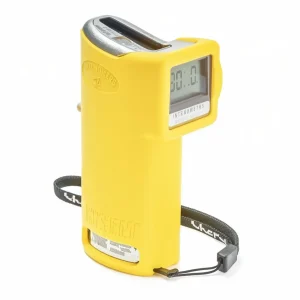
North Carolina regulates alcohol screening under a set of rules involving technical standards, operational procedures, and legal provisions that govern how breath tests are administered and how results may be used in criminal proceedings. Officers rely on portable breath alcohol content screening devices (sometimes referred to as a “PBT” or “breathalyzer”) in the field to detect whether a driver has consumed alcohol. Breath testing devices involve following standards set by the Department of Health and Human Services (DHHS) and must be approved by the Forensic Tests for Alcohol Branch. Breath-Alcohol-Content-Screening-BAC

This post serves as a primer for some of the important aspects of the North Carolina administrative and statutory framework for alcohol screening devices. It explains the significance of regulations like 10A NCAC 41B .0503 and 10A NCAC 41B .0502, along with the NC DWI laws, to show how our state manages breath sampling and the related BAC results. If you have questions about the specifics of your unique legal matter, or if you want to discuss the role of screening devices in your case, give us a ring or text the Powers Law Firm at 704-342-4357.  You may also email Bill Powers directly at Bill@CarolinaAttorneys.com.

Below is a synopsis of the topics covered in this article. Each entry links to a section that describes how North Carolina’s framework addresses the approval and calibration of the PBT and provides a big-picture perspective behind the use of approved alcohol screening devices.


Hemolysis involves the rupture of red blood cells in a blood sample. In the context of criminal charges, this can affect how accurately labs measure blood alcohol concentration (BAC). Mechanical factors like needle gauge selection, centrifugation practices, storage conditions, or simple delays can lead to hemolysis. The result may be an inflated or deflated BAC reading. For someone facing Hemolysis-BAC-Blood-Alcohol-Concentration DUI charges or other criminal matters where BAC plays a role, understanding hemolysis, BAC testing, and its implications can help in reviewing the evidence.

If you have questions about the specifics of your legal matter, the legal team at Powers Law Firm is available for consultation. You may call or text 704-342-4357. You may also email Bill Powers at Bill@CarolinaAttorneys.com.

Below is a brief syllabus of the main topics covered in this document. Each entry links to a corresponding section that explains how hemolysis occurs, how labs test for BAC, and why these details may shape legal strategies.


This article discusses how alcohol normally travels through your body when you’re alive, how that changes once life ends, and why postmortem shifts can influence criminal defense in North Carolina. We will also explore the potential legal implications of anBLOOD-ALCOHOL-CONCENTRATION inaccurate or misleading BAC when the decedent—who, in criminal cases, may be considered a victim—had alcohol in their system.

By clarifying the complexities of forensic toxicology, our goal is to explain why thorough investigation and analysis by forensic toxicologists may be an essential aspect of building a defense strategy.

It is tempting to assume that the number on a lab report reflects an exact level of intoxication at the time of death, but the science behind postmortem BAC is often far more nuanced and complicated. Factors such as redistribution, laboratory processing, and even microbial activity can alter the reading—sometimes making it appear higher or lower than it actually was when the person was alive.

Contact Information