 Carolina Criminal Defense & DUI Lawyer Updates












Helping explain the 0.3 THC threshold and marijuana vs hemp issues to the jury likely necessitates a jury instruction that adds important language to pattern jury instruction that fully and accurately reflects the definition of  hemp consistent with N.C.G.S. 90-87, NC PJI 260.10, NC PJI 260-15, NC PJI 260.17 et al, and North Carolina v. Ruffin. To that end, it’s helpful to provide specific proposed language to the Court to address the 0.3% THC threshold during the charge conference.
Obviously, whether that’s necessary and/or appropriate depends on the fact pattern and must be tailored to case specifics. To be clear, there is more involved than THC concentration, particularly as it may pertain to cannabis concentrate (“shatter”). Courts are still addressing how to apply these legal distinctions.
At Powers Law Firm, we help clients navigate these issues in court. If you have questions about how hemp laws may impact your case or are facing marijuana-related charges, TEXT or call attorney Bill Powers at 704-342-4357 or email Bill@CarolinaAttorneys.com to discuss your situation.
 threshold. Specifically,
  involved exceeds North Carolina’s legal THC limit of 0.3%, thereby making it illegal marijuana and not lawful hemp.
 guidance on marijuana identification in the post-hemp era. The defendant in
 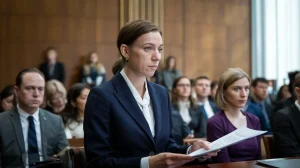 impartial jury despite his fame and the salacious allegations? This is no ordinary case – nearly everyone has heard of P. Diddy. The worry is that half the jury pool could be star-struck fans while the other half have already judged him guilty based on headlines.
 tests, and standardized field sobriety tests.
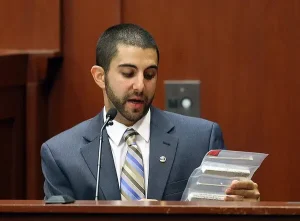 and medical conditions that could affect impairment assessments. This article examines the different types of experts used in North Carolina DWI cases, how courts determine whether their testimony is admissible under Rule 702, and what legal considerations apply when presenting expert evidence in court.
 Department of Transportation – Division of Motor Vehicles (DMV) may move forward with revoking your license for failing to submit to breath and/or blood testing.
  technical procedures—such as chemical breath tests, blood alcohol analyses, and field sobriety testing—that lay jurors or even judges may not fully understand. An expert witness, properly qualified and admitted, can provide insight into such complex matters both for the prosecution and the defense.
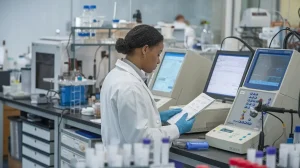 blood testing in a DWI case. Law enforcement may suspect drug involvement, or the driver may be unable (or unwilling) to provide a valid breath sample on an approved device. DUI fatalities tend to involve blood testing, as it the more accurate method to confirm the different possible sources of impairment and the respective concentrations of each.