 Carolina Criminal Defense & DUI Lawyer Updates
Expert testimony can play a pivotal role in DUI charges in North Carolina. In part, that’s because allegations of impaired driving often involve complicated scientific, forensic evidence and  technical procedures—such as chemical breath tests, blood alcohol analyses, and field sobriety testing—that lay jurors or even judges may not fully understand. An expert witness, properly qualified and admitted, can provide insight into such complex matters both for the prosecution and the defense.
This article examines the legal framework governing expert testimony in North Carolina DWI cases, the standards for admissibility, procedural requirements, and practical considerations for using expert witnesses. The discussion is intended for attorneys, legal professionals, and anyone seeking an in-depth understanding of how expert evidence is handled in DWI trials relative to the Daubert Standard and Rule 702.
DMV hearings for willful refusal revocations can feel like a costly, uphill battle—and truth be told, they often are.
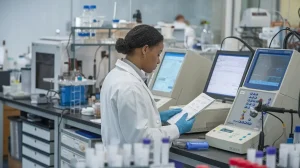 blood testing in a DWI case. Law enforcement may suspect drug involvement, or the driver may be unable (or unwilling) to provide a valid breath sample on an approved device. DUI fatalities tend to involve blood testing, as it the more accurate method to confirm the different possible sources of impairment and the respective concentrations of each.